
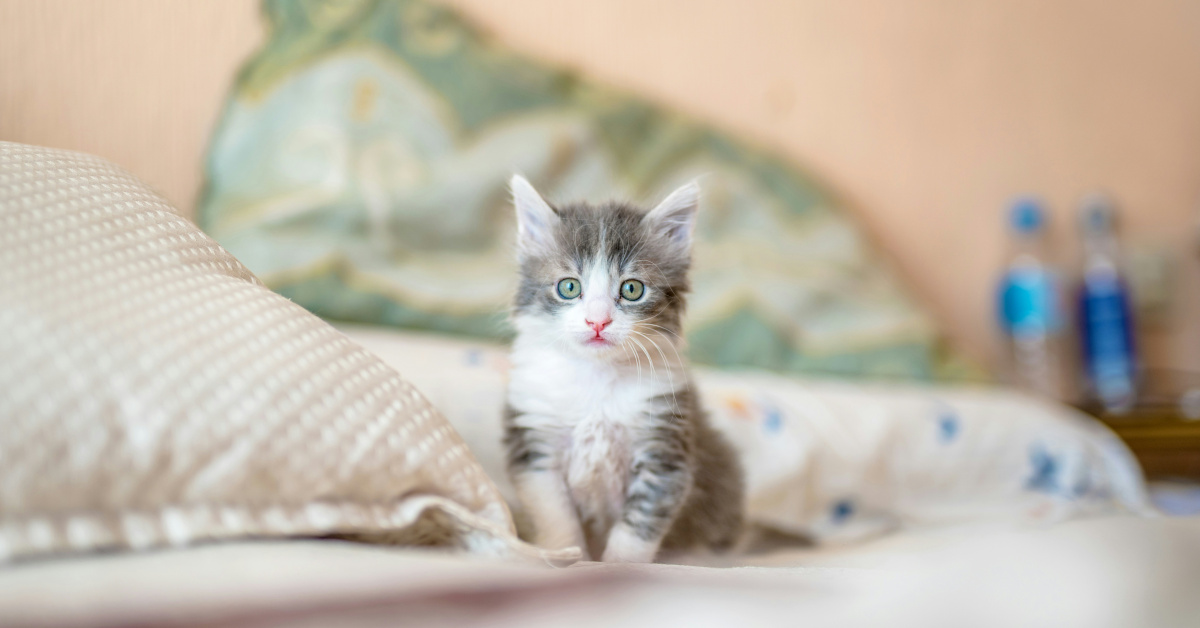
Bringing home a kitten is pure joy. Those tiny paws, that curious meow, the endless entertainment. It’s a wonderful experience. But if you’re a first-time cat owner, staring at an empty living room can also bring on a wave of “What do I actually need?” Don’t worry, we’ve all been there.
Forgetting something important can make those first few days stressful for both you and your new furry friend. That’s why we put together this practical, no-nonsense list of things to buy before your kitten arrives. Think of it as your survival guide, covering everything from absolute must-haves for the first 24 hours to the fun extras you can add later. We’ll skip the fluff and focus on what really matters to keep your kitten safe, healthy, and happily settled in.
Before You Shop: Your Pre-Kitten To-Do List
Before you hit the store or start clicking “add to cart,” there are a couple of crucial steps. First, schedule a vet check-up for within the first week. It’s a good baseline for health, and you can discuss vaccinations, deworming, and spay/neuter plans. Second, look at your home from a knee-high perspective. Kittens are fearless explorers. Tuck away electrical cords, secure loose wires, remove toxic plants (lilies are extremely dangerous), and ensure small objects they could swallow are out of reach. Finally, pick a quiet room (like a spare bedroom or bathroom) to be your kitten’s “home base” for the first few days. It helps them adjust without feeling overwhelmed.
The First-Day Essentials: What You Absolutely Need
When you walk in the door with that carrier, you’ll want a few key items immediately on hand. Focus on these basics first:
- A Secure Carrier: This isn’t just for the ride home. It’s a safe cave for vet visits. A hard-sided one is often sturdier.
- Food and Water Bowls: Get shallow, wide bowls. Some cats don’t like their whiskers touching the sides.
- The Right Kitten Food: Ask the shelter or breeder what they’ve been feeding, and get a small bag of the same to start. Sudden switches can upset tiny tummies.
- A Litter Box and Litter: Start simple. A low-sided, uncovered box is easiest for a little one to get in and out of.
- A Cozy Bed or Blanket: Something soft in a quiet corner. A blanket with the scent of their littermates can be a comfort.
- A Couple of Simple Toys: A feather wand and a few small balls or mice are perfect for initial play sessions.
Get these six things set up in their home base room, and you’re off to a fantastic start.
Heads up: some links on this page may be affiliate links, which means we may earn a small commission at no extra cost to you. It helps cover the costs of running this website and never changes what we recommend.
Feeding Your New Friend: Bowls, Food, and More
You’ve got the first bag of food, but let’s talk long-term nutrition. Kittens have huge energy needs for growth. Most vets recommend a combination of high-quality wet food and dry kibble. Wet food provides crucial hydration, while dry kibble can be left out for grazing (and is good for their teeth). Look for labels that say “complete and balanced for all life stages” or specifically “for growth.”
Stainless steel or ceramic bowls are best. They’re easier to clean and don’t harbor bacteria like plastic can. If your kitten isn’t a big drinker, consider a cat water fountain. The moving water often encourages them to drink more, which is great for urinary health.
Kitten Ceramic Food & Water Bowls Best Overall Pick (pack of 3!)
Cottagecore Ceramic Cat Bowls, 3-Pack, 5.3 in (Gray)
Rated 4.8 out of 5 stars by 1.3k+ Amazon shoppers
- Set of 3 shallow 5.3-inch bowls for wet food, dry food and water
- Heavy, thick porcelain that is hard for a cat to tip over
- Lead-free ceramic that is microwave safe and easy to clean
Kitten Stainless Steel Food & Water Bowls Best Value Pick (non-slip!)
Serentive Non-Slip Stainless Steel Cat Bowls, 2-Pack, 7 oz (Silver)
Rated 4.5 out of 5 stars by 5.2k+ Amazon shoppers
- Two 7 oz stainless steel bowls, one for food and one for water
- Removable rubber base ring keeps the bowls from sliding and tipping
- Wide, shallow shape suits cats and small dogs
Kitten Natural Dry Kibble Food Best Overall Pick (grain-free, with DHA!)
Blue Buffalo Wilderness Kitten Dry Food, Chicken, Grain-Free, 5 lb
Rated 4.8 out of 5 stars by 8.9k+ Amazon shoppers
- Real chicken is the first ingredient, made for kittens 2-12 months
- Contains DHA and ARA to support brain and eye development
- Grain-free, with no corn, wheat, soy or poultry by-product meals; formulated to meet AAFCO kitten nutrient profiles
Kitten Wet Food Best Overall Pick (24-pack!)
Purina Fancy Feast Kitten Tender Turkey Feast Pate, 24 x 3 oz Cans
Rated 4.7 out of 5 stars by 2.3k+ Amazon shoppers
- Pate made specifically for kittens, with real turkey
- Complete and balanced kitten nutrition, no artificial colors or preservatives
- Case of 24 three-ounce cans
The Litter Box Setup: Keeping Things Clean
Getting the litter routine right early prevents problems later. For a young kitten, the box itself is key. Choose one with very low sides so they can climb in easily. You can even use a shallow cardboard tray initially. Most people start with a fine-grain, unscented clumping litter. It’s easy to scoop and control odors. However, some folks prefer non-clumping for very young kittens, just in case they try to taste it (they’re weird like that).
Don’t forget a good litter scoop and a mat to catch tracked litter. Place the box in a quiet, low-traffic spot, but not right next to their food and water.
Kitten Litter Box Best Value Pick (stainless steel!)
Qiuma Stainless Steel Litter Box for Small Cats, 15.6 x 11.6 x 3.9 in
Rated 4.6 out of 5 stars by 1.2k+ Amazon shoppers
- Stainless steel pan that does not hold odors and wipes clean
- Non-stick surface so clumps slide off easily
- Compact 15.6 x 11.6 in size with a low 3.9 in entry for small cats, plus non-slip pads
Kitten Unscented Clumping Litter Best Value Pick
Dr. Elsey’s Ultra Unscented Clumping Clay Cat Litter, 40 lb
Rated 4.4 out of 5 stars by 70k+ Amazon shoppers
- Unscented, hard-clumping medium-grain clay that is easy to scoop
- Low-dust formula (listed as 99.9% dust free) and low tracking
- 40 lb bag sold by Amazon.com
A Cozy Place to Sleep and Feel Safe
Kittens sleep up to 20 hours a day! They love soft, warm spots. A simple plush bed works, but many kittens adore covered “cave” beds that make them feel hidden and secure. In a pinch, a cardboard box with a soft blanket is a five-star kitten hotel. Place their bed in their dedicated safe room, away from the litter box. Giving them a designated hiding spot, like a covered bed or a cat tent, helps them manage stress during the big transition to your home.
Kitten Bed Cave Top Pick (with a built-in scratch pad!)
Garnpet Covered Cat Cave Cube Bed with Scratch Pad (Grey)
Rated 4.7 out of 5 stars by 1.3k+ Amazon shoppers
- Covered cave gives a kitten a private spot to hide and nap
- Built-in scratch pad and hanging plush ball for play
- Removable cushion cover is machine washable
Kitten Bed Best Value Pick (calming donut!)
Bedsure Calming Donut Cat Bed, 20 in (Camel)
Rated 4.6 out of 5 stars by 27k+ Amazon shoppers
- Round donut shape with a raised rim for cats that curl up to sleep
- Whole bed is machine washable at the 20-inch size
- Fabrics certified to OEKO-TEX Standard 100 (cert. 24.HCN.46956), with a non-slip base
Kitten Blanket Best Budget Pick
Tierecare Soft Fleece Cat Blanket, 2-Pack, 13 x 10 in (Stars)
Rated 4.6 out of 5 stars by 340+ Amazon shoppers
- Two double-sided fleece blankets per pack
- Hidden seams so claws do not catch
- Machine washable; works in a bed, on the sofa or in a carrier
Health and Grooming Basics
Even short-haired kittens benefit from a gentle brush once a week to get them used to being handled. A soft-bristle brush or a fine-toothed flea comb is perfect. Get them accustomed to nail trims early with a pair of small cat nail clippers. Just take the very sharp tip off every couple of weeks. If you go with a grinder, use the lowest speed and keep sessions short.
Accidents happen. Have a bottle of enzyme-based pet cleaner ready. Regular cleaners just mask the smell to you; enzymes actually break down the mess so your kitten isn’t tempted to go in the same spot again.
Kitten Brush Best Value Pick (gentle!)
Swihauk Self-Cleaning Slicker Brush (Blue)
Rated 4.6 out of 5 stars by 14k+ Amazon shoppers
- Rounded-tip bristles for gentle brushing
- Press-button release pushes collected fur off the brush
- Works on long- and short-haired cats, including kittens
Kitten Nail Clipper Grinder Kit Best Value Pick (rechargeable!)
Whisper Quiet Pet Nail Grinder Kit with LED and Clippers (White)
Rated 4.4 out of 5 stars by 11k+ Amazon shoppers
- Kit includes the grinder, 3 grinding bits, a nail clipper and a USB charging cable
- LED light helps you see the quick while trimming
- 3 speed settings, with low speed for small pets
Kitten Enzyme-based Spray Cleaner Best Overall Pick (breaks down odors!)
Capture Pet Stain & Odor Remover, 32 oz Spray
Rated 4.6 out of 5 stars by 590+ Amazon shoppers
- Enzyme formula made for urine, blood, drool and other organic pet stains
- Spray it on carpet, rugs, upholstery, bedding and other fabrics
- 32 oz spray bottle, made in the USA
Playtime, Training, and Scratching (The Fun Stuff)
This is where your kitten’s personality will shine. Play satisfies their hunting instincts and keeps them fit.
Must-Have Kitten Toys
Toys fall into two categories: interactive and solo. Interactive toys, like feather wands or a string on a stick, are the most important. They let you bond with your kitten and direct their pounces away from your ankles. Solo toys, like small balls, crinkle mice, or kicker toys, keep them busy when you’re not around. Avoid string, rubber bands, or anything with small parts they could chew off and swallow. Put wand toys away after play, and keep an eye on your kitten with small plush or crochet toys until you know they won’t shred them. A quick note on laser pointers: they’re fun, but always end the session by directing the dot onto a physical toy they can “catch,” so they get the satisfaction of a reward.
Kitten Feather Wand Best Overall Pick (long & durable!)
ROSAUI Cat Teaser Wand Set with Natural Feather Refills
Rated 4.5 out of 5 stars by 1.1k+ Amazon shoppers
- Three-section pole extends to about 43 in and folds down to 16 in for storage
- Wooden handles, plus spare elastic strings and 5 refills (2 birds, 3 feathers)
- The bird refills have bells to catch a kitten’s attention
Kitten Solo Play Chew Toy Best Overall Pick (handmade, with catnip!)
Retro Shaw Crochet Catnip Mice, 6-Pack
Rated 4.5 out of 5 stars by 540+ Amazon shoppers
- Six hand-crocheted mice filled with a catnip and silvervine blend
- Knitted as one piece with no glued-on eyes or small add-on parts
- Sized for carrying, batting and bunny-kicking
Scratching Posts and Pads
Scratching isn’t bad behavior; it’s a biological need. They do it to stretch, mark territory, and shed old nail sheaths. Provide an acceptable target immediately to save your furniture. A sturdy sisal rope post that’s tall enough for a full stretch is ideal. Place it near where they nap (they love a good stretch after sleeping). A few cardboard scratchers around the house give them other options. If you go for a tall cat tree, anchor it to the wall so an excited kitten can’t tip it over.
Kitten Sisal Rope Scratching Post Best Overall Pick (saves your furniture from scratches!)
Furlogy 40″ Palm Tree Sisal Cat Scratching Post
Rated 4.7 out of 5 stars by 840+ Amazon shoppers
- Stands about 40 in tall and is wrapped in natural sisal rope
- Comes with 3 hanging play balls and a curved palm-tree shape
- Assembly tools are included, and several posts can be joined together
Kitten Cardboard Scratcher Best Overall Pick (a classic must-have!)
The Original Scratch Lounge XL Cardboard Cat Scratcher
Rated 4.8 out of 5 stars by 2.6k+ Amazon shoppers
- Cardboard lounge measuring 22 x 13 x 5 in that cats can scratch and lie in
- The reversible inserts can be flipped to double their useful life
- Made in the USA and comes with catnip
Kitten Play Tree House Best Value Pick (with cat condo!)
Topeakmart 63″ Cat Tree with Condo and Sisal Posts
Rated 4.8 out of 5 stars by 150+ Amazon shoppers
- Stands 63 in tall, with a condo, padded perches, a hammock and seven sisal-wrapped posts
- Includes an anti-toppling strip for anchoring it to a wall
- Ships with all the hardware and step-by-step assembly instructions
Training and Treats
Yes, you can train a cat! It’s all about positive reinforcement. Small, soft training treats are great for rewarding good behavior, like using the scratching post or coming when called. You can even try clicker training: the sharp “click” sound marks the exact moment they do something right, followed by a treat. It’s a brilliant way to teach tricks and build a strong bond.
Kitten Training Treats Best Variety Pick (made for kittens, 4-pouch pack!)
Temptations Kitten Treats Variety Pack, 6.3 oz (Pack of 4)
Rated 4.8 out of 5 stars by 1.7k+ Amazon shoppers
- Made for kittens and includes DHA to support brain development
- Each treat is under 2 calories, which suits frequent training rewards
- Four resealable 6.3 oz pouches
Kitten Pet Clicker Trainer Best Overall Pick
Educator FC-100 Finger Clicker
Rated 4.5 out of 5 stars by 940+ Amazon shoppers
- Manual audible clicker with no batteries or electronics
- Adjustable 5 in Velcro strap holds it on your finger and leaves your hands free for treats
- Training instructions are included
Safety, Travel, and Identification
A well-ventilated carrier is a non-negotiable piece of safety equipment. Get your kitten used to it by leaving it out with a comfy blanket inside. For identification, a breakaway collar with an ID tag is a good start, but a microchip is the gold standard. It’s a permanent form of ID implanted by your vet.
Go back to that kitten-proofing mindset. Secure blind cords, use cord organizers for electronics, and consider a bitter-tasting spray on furniture legs if scratching becomes an issue.
Kitten ID Tag Best Overall Pick (custom made!)
Ultra Joys Engraved Personalized Cat ID Tag
Rated 4.7 out of 5 stars by 320+ Amazon shoppers
- Laser-engraved with up to 4 lines of custom text
- Lightweight stainless steel, 1.25 in across
- Personalized and made in Southern California
Kitten Carrier Best Value Pick (with cushion and collapsible bowl!)
Morpilot Soft-Sided Cat Carrier with Cushion and Foldable Bowl
Rated 4.6 out of 5 stars by 37k+ Amazon shoppers
- Measures 17.3 x 12.2 x 13.4 in, with mesh on about 40% of the surface for airflow
- The reversible pad has a cool side and a warm fleece side, and it is removable and washable
- Comes with a foldable bowl and a secure buckle, and folds flat for storage
Kitten Backpack Carrier Best Overall Pick (convenient for trips or long walks!)
Lekebobor Expandable Cat Carrier Backpack with Sun Shade
Rated 4.6 out of 5 stars by 2k+ Amazon shoppers
- Mesh windows on 4 sides, 4 entrances and an expandable back panel
- A roll-down shade blocks sun, and a built-in safety leash helps prevent escapes
- Holds pets up to 18 lb and collapses flat when not in use
Nice-to-Haves and Future Upgrades
Once the essentials are covered, you can think about the fun upgrades:
- A Cat Tree or Condo: Provides climbing, perching, scratching, and hiding, all in one. It gives your cat vertical territory, which they love.
- A Window Perch: Hours of free entertainment from “Cat TV.”
- Automated Toys: Battery-operated fluttering or rolling toys can keep them active.
- Puzzle Feeders: These make mealtime more engaging and slow down fast eaters.
Your Quick-Reference Shopping Checklist
Print this out or save it on your phone. It covers everything we’ve talked about.
Essentials for Day One:
- Cat carrier
- Shallow food and water bowls (stainless steel/ceramic)
- High-quality kitten food (wet and/or dry)
- Litter box with low sides
- Unscented, clumping cat litter
- Litter scoop and mat
- Soft bed or blanket
- Interactive toy (feather wand)
- A few small solo toys (balls, mice)
Health & Grooming:
- Kitten nail clippers
- Soft brush or flea comb
- Enzyme-based pet stain & odor cleaner
- Pet first-aid kit basics
Behavior & Training:
- Sturdy scratching post (sisal)
- Training treats
- Clicker (optional)
Safety & Logistics:
- Breakaway collar and ID tag
- Microchip (via your vet)
- Kitten-proofing supplies (cord ties, bitter spray)
Nice-to-Haves for Later:
- Cat tree or condo
- Water fountain
- Window perch/hammock
- Puzzle feeders
- Automated toys
- Additional scratching surfaces (cardboard pads)
Frequently Asked Questions (FAQ)
What is the most important thing to buy for a new kitten?
If we had to pick just one thing beyond food and litter, it’s a secure carrier. It’s vital for safe travel to the vet, which is non-negotiable for their health. A sturdy scratching post is a very close second for protecting your home.
How much money should I budget for initial kitten supplies?
You can get a solid starter kit for between $200 and $400, not including the cost of the kitten itself or initial vet bills. This covers all the essentials on our list. Costs can go up with premium food brands, furniture like large cat trees, or automated gadgets.
Should I get non-clumping litter for a very young kitten?
Some owners and breeders prefer non-clumping litter for kittens under 8-10 weeks old, just as an extra precaution if the kitten is curious and tries to ingest it. Once they’re reliably using the box and not sampling the contents, a fine-grain, unscented clumping litter is perfectly safe and much easier to maintain.
What human household items can be dangerous for kittens?
Quite a few! Keep them away from: lilies and other toxic plants, human medications, chocolate, xylitol (an artificial sweetener), onions/garlic, string/yarn/dental floss, essential oil diffusers (especially tea tree and eucalyptus), and uncovered electrical cords. The ASPCA has a comprehensive list of toxic substances.
When should I switch my kitten to adult food?
Most kittens should stay on a high-quality kitten or “all life stages” food until they are about 12 months old. Some larger breeds may need kitten food for up to 18-24 months. Your veterinarian can give you the best personalized advice based on your cat’s growth and breed.
What should I feed a kitten?
Choose a food labeled for kittens or for “growth” (or “all life stages”) that says it is complete and balanced. Kittens grow fast, so most do best on several small meals a day: usually 3 to 4 meals until around 6 months old, then 2 to 3. Mixing wet and dry food is common and helps with hydration. Always keep fresh water out, and skip cow’s milk, since many cats are lactose intolerant. Your vet can tell you exactly how much to feed based on your kitten’s age and weight.
How do I potty train a kitten?
Good news: most kittens learn the litter box from their mom, so it’s more about setting them up for success than training. Use a low-sided box with unscented litter, put it somewhere quiet, and pop your kitten in after meals, naps and playtime. Praise them when they use it, never punish accidents (it only teaches them to hide), and clean any misses with an enzyme cleaner so they don’t return to the spot. If accidents keep happening, check in with your vet to rule out a health issue.
